Classic French Croissants
Highlighted under: Decadent Desserts
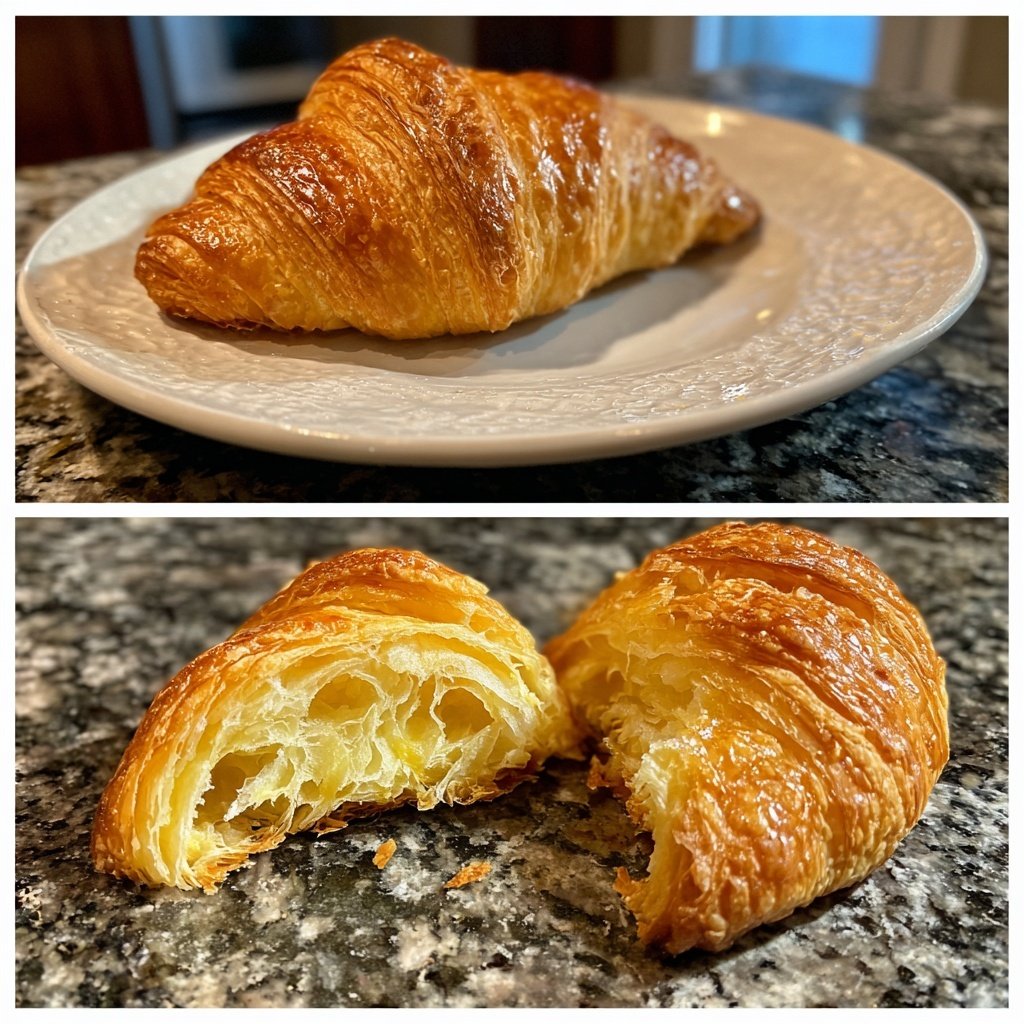
I absolutely love making classic French croissants at home because they combine the perfect balance of buttery richness and flaky texture. The smell of freshly baked croissants wafting through the kitchen is simply irresistible! While the process requires patience and attention, the reward is worth every minute spent in the kitchen. There's something incredibly satisfying about rolling and folding the dough to achieve that signature layers. This recipe guides you step-by-step, ensuring you'll impress family and friends with delectable pastries that rival those from a Parisian bakery.
When I first attempted to make croissants, I was mesmerized by the intricate process of laminating dough with butter. The careful folding technique creates those beautiful layers that make each bite so flakey and tender. I learned that using high-quality ingredients, like European-style butter, elevates the flavor dramatically.
After a few trials and adjustments, I discovered that resting the dough overnight not only enhances the taste but also improves the texture. It’s a game changer! With just the right amount of patience, you’ll find that homemade croissants can rival those found in any French patisserie.
Why You Will Love This Recipe
- Buttery layers that melt in your mouth
- The delightful crunch of the golden exterior
- Perfect for breakfast or an elegant afternoon tea
Understanding Lamination
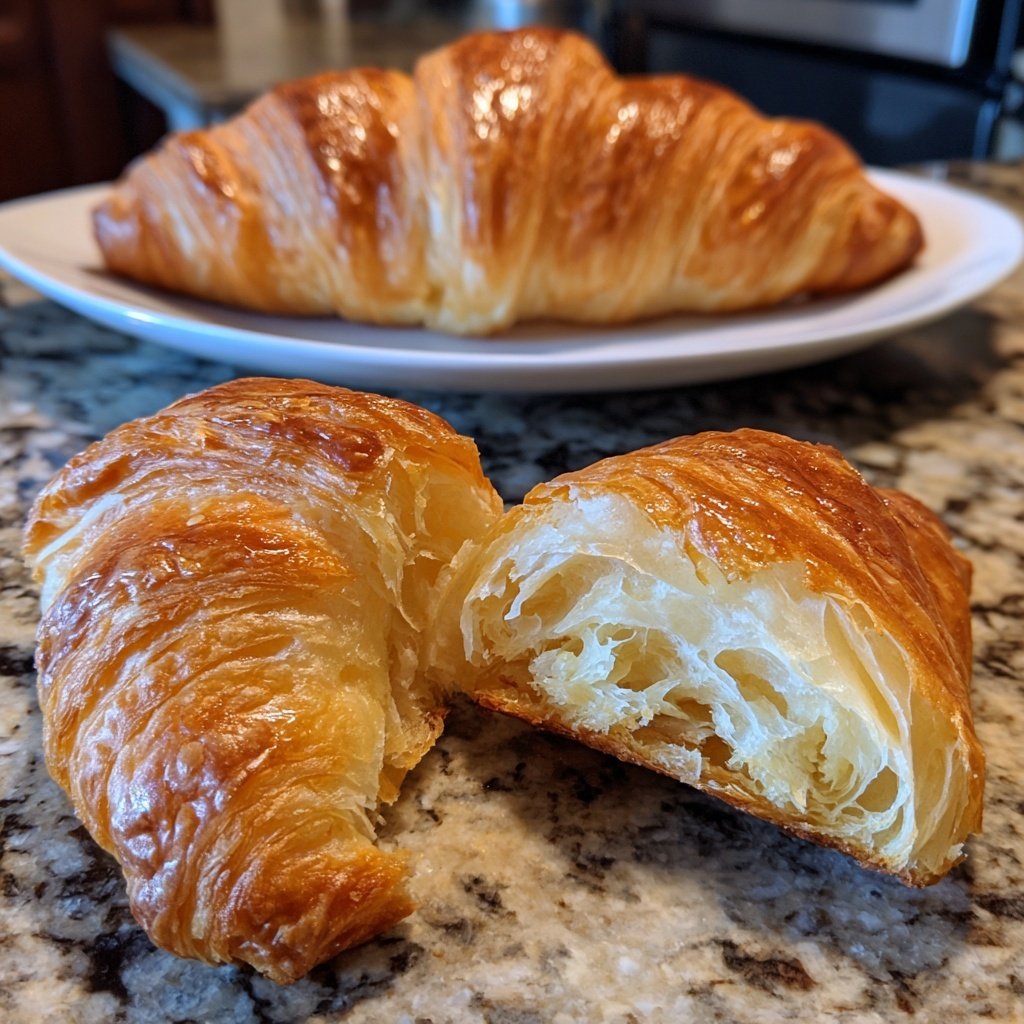
Lamination is the technique that gives croissants their signature flaky texture. By folding layers of butter into the dough, you create air pockets that expand during baking. This process not only influences the texture but also the flavor, as the butter permeates the dough. It's crucial to keep the butter cold and firm; if it warms up too much, it won’t incorporate well and can lead to a greasy croissant. Make sure to use unsalted butter to control the salt level in your dough.
When rolling and folding, a gentle touch is key. You want to roll out the dough to about 1 cm thickness evenly without tearing, allowing the layers to separate during baking. Each folding adds layers, typically three folds of thirds, which will multiply the total number of layers substantially. The goal is to achieve at least 27 layers through your folding technique, creating that ultimate flakiness and rise.
The Perfect Bake
To achieve that beautifully golden croissant, it's vital to preheat your oven adequately. When baking, the initial high temperature helps set the layers quickly, preventing them from collapsing. You might want to rotate your baking sheet halfway through for even browning. For reference, bake at 200°C (400°F) for 15-20 minutes, watching closely for that dark golden hue which is the hallmark of a well-baked croissant.
Using a baking stone or steel can also enhance the baking quality, providing consistent heat from below. Additionally, placing a pan of water in the oven can introduce steam, making the crust crispier while the inside remains soft. This method mimics the conditions of a traditional French bakery, yielding croissants that are not just baked but perfected.
Ingredients
Gather these ingredients to get started on your classic croissants:
Dough Ingredients
- 500g all-purpose flour
- 10g salt
- 40g sugar
- 10g instant yeast
- 300ml cold milk
- 300g unsalted butter (for laminating)
Once you have your ingredients ready, you're set to make the dough!
Instructions
Follow these steps to create your delicious croissants:
Mix the Dough
In a large bowl, mix the flour, salt, sugar, and instant yeast together. Gradually add the cold milk and mix until a dough forms. Knead for about 10 minutes until smooth.
First Rise
Cover the dough with a damp cloth and let it rise in a warm place for about 1 hour, or until doubled in size.
Prepare the Butter Block
While the dough is rising, place the butter between two sheets of parchment paper and pound it with a rolling pin until it’s about 1 cm thick and shaped into a rectangle. Chill in the refrigerator.
Laminate the Dough
On a floured surface, roll the dough into a rectangle. Place the butter block on one half, fold the other half over, and seal the edges. Roll out and fold the dough into thirds three times, chilling in the refrigerator between folds.
Shape the Croissants
Roll the laminated dough into a large rectangle, then cut triangles. Roll each triangle from the base to the tip to form the croissant shape, placing them on a baking sheet.
Final Proof
Let the shaped croissants rise for about 1 hour until puffy.
Bake
Preheat the oven to 200°C (400°F). Bake the croissants for 15-20 minutes until golden brown.
Enjoy your freshly baked classic French croissants!
Pro Tips
- For best results, use high-quality butter and be patient with the resting times. This helps develop flavor and texture.
Storage and Reheating
Freshly baked croissants are best enjoyed on the same day, as they can lose their flaky texture over time. However, you can store them in an airtight container at room temperature for up to two days. If you want to keep them longer, consider freezing them. Place the unbaked, shaped croissants on a baking sheet, freeze until solid, and then transfer to a zip-top bag. They can be stored frozen for up to a month.
When you’re ready to enjoy a frozen croissant, there's no need to defrost; simply bake them straight from the freezer. Increase the baking time by a few minutes, and check for that golden brown finish. This method preserves their freshness and allows you to enjoy warm, flaky croissants anytime without the hassle of starting from scratch.
Troubleshooting Common Issues
If your croissants don’t rise as much as you’d like, the dough might not have been left to proof long enough. Make sure it doubles in size during the first rise and the shaped croissants puff up adequately during the final proof. Environmental factors like temperature can affect yeast activity, so it might require additional time in a warm area if your kitchen is particularly cool.
Conversely, if your croissants are turning out too greasy, it could be a sign that your butter has melted into the dough during the laminating phase. Keep your dough and butter at the right temperatures: they should be similar, cold but pliable. If your dough becomes sticky when rolling, sprinkle with a bit of flour to manage the surface without compromising the lamination.
Questions About Recipes
→ Can I make the dough in advance?
Yes, you can prepare the dough a day ahead and refrigerate it after the first rise.
→ What type of butter should I use?
Use unsalted, high-fat butter for the best flavor and results.
→ How do I store leftover croissants?
Store them in an airtight container at room temperature for up to two days or freeze for longer storage.
→ Can I add fillings to my croissants?
Absolutely! Consider adding chocolate, almond paste, or ham and cheese before rolling them.
Classic French Croissants
Created by: Olivia Hayes
Recipe Type: Decadent Desserts
Skill Level: Intermediate
Final Quantity: 12 servings
What You'll Need
Dough Ingredients
- 500g all-purpose flour
- 10g salt
- 40g sugar
- 10g instant yeast
- 300ml cold milk
- 300g unsalted butter (for laminating)
How-To Steps
In a large bowl, mix the flour, salt, sugar, and instant yeast together. Gradually add the cold milk and mix until a dough forms. Knead for about 10 minutes until smooth.
Cover the dough with a damp cloth and let it rise in a warm place for about 1 hour, or until doubled in size.
While the dough is rising, place the butter between two sheets of parchment paper and pound it with a rolling pin until it’s about 1 cm thick and shaped into a rectangle. Chill in the refrigerator.
On a floured surface, roll the dough into a rectangle. Place the butter block on one half, fold the other half over, and seal the edges. Roll out and fold the dough into thirds three times, chilling in the refrigerator between folds.
Roll the laminated dough into a large rectangle, then cut triangles. Roll each triangle from the base to the tip to form the croissant shape, placing them on a baking sheet.
Let the shaped croissants rise for about 1 hour until puffy.
Preheat the oven to 200°C (400°F). Bake the croissants for 15-20 minutes until golden brown.
Extra Tips
- For best results, use high-quality butter and be patient with the resting times. This helps develop flavor and texture.
Nutritional Breakdown (Per Serving)
- Calories: 380 kcal
- Total Fat: 26g
- Saturated Fat: 15g
- Cholesterol: 195mg
- Sodium: 85mg
- Total Carbohydrates: 32g
- Dietary Fiber: 3g
- Sugars: 24g
- Protein: 6g